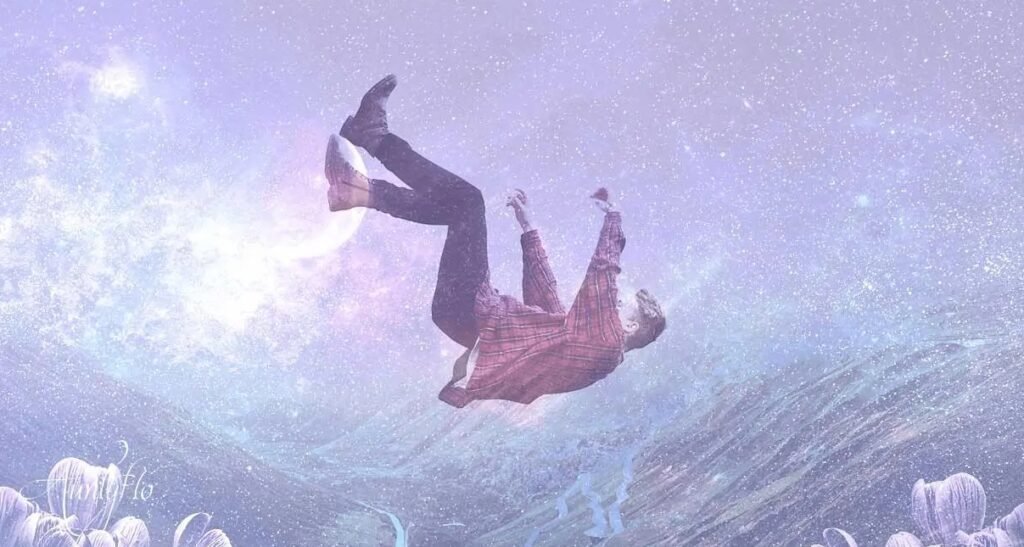
A few weeks ago, I had this strange dream—I was just falling. Not tripping, not floating. Falling. No bottom, no end. I woke up gasping for air like I’d actually dropped into something.
And it made me wonder: was this just stress? Or was there something deeper going on?
If you’ve had the same kind of dream, you’re probably asking the same question: What does it mean when I fall in a dream?
Medical Disclaimer
This article is about spiritual meanings and folklore. I’m not a doctor, and this isn’t medical advice. If you’re in pain or these dreams are disturbing your daily life, please talk to a licensed professional.
Quick Spiritual Interpretation Table
| Condition | Spiritual Meaning Summary |
|---|---|
| Left Side Falling | Emotional imbalance |
| Right Side Falling | Energy blockage or resistance |
| Morning | Subconscious stress response |
| Night | Message from spirit guides |
| Falling on Knees (in dream) | Surrender, spiritual humility |

What Does It Spiritually Mean When You Dream of Falling?
Let’s be real—falling dreams can rattle you. But more often than not, they’re a signal. Spiritually, they show up when your energy is off or something big is shifting inside you.
Falling can mean:
- You’ve lost your grounding
- Your root chakra’s unstable
- You’re resisting change, even if it’s already happening
- You’re dealing with emotional overload or spiritual anxiety
Some spiritual teachers believe your soul travels a bit during sleep. And when it comes back too fast? That jolt you feel—yeah, it might not just be physical. It could be spiritual turbulence.
And if dreams like this are happening often, you might want to explore more signs in our full dream meanings guide.
5 Spiritual Messages Hidden in Falling Dreams
1. You’re Spiritually Ungrounded
Ever feel like your brain is running and your body’s left behind? That’s the vibe when you’re ungrounded. And your dreams? They’ll absolutely call you out on it.
You might be:
- Overthinking every little thing
- Glued to screens and disconnected from nature
- Ignoring your body’s signals and pushing through stress
Falling dreams are your soul’s way of saying: Slow down. Reconnect. Walk barefoot. Take a breath.
Even biblical interpretations connect falling with being spiritually unbalanced or off-course.

2. A Big Shift Is Coming — Ready or Not
These dreams have a way of showing up right before something changes.
It could be:
- A job you’re thinking of leaving
- A relationship that’s shifting
- A version of yourself you’re outgrowing
The fall in your dream? That’s the part of you that knows change is coming—even if you’re pretending it’s not.
So ask yourself:
- What am I holding on to?
- What am I afraid to lose?
- What needs to change, even if it scares me?
This interpretation shows up often in Christian dream symbolism, where falling is a sign of either surrender or resistance.
If your dream included water, that might add another layer. Check out how water in dreams reflects emotional undercurrents and inner conflict.
3. You’re Carrying Someone Else’s Energy
This one hits hard for the empaths out there.
If you’re the kind of person who absorbs everyone’s emotions—family, friends, coworkers—then falling dreams might be your body waving a red flag.
You’re drained. Not just tired—energetically heavy.
- Do you feel exhausted after certain conversations?
- Are you always “the one holding it all together”?
- Have you been dreaming of falling after helping someone else?
Your energy system is overloaded. And that dream? It’s saying: Let go. Not your load to carry.
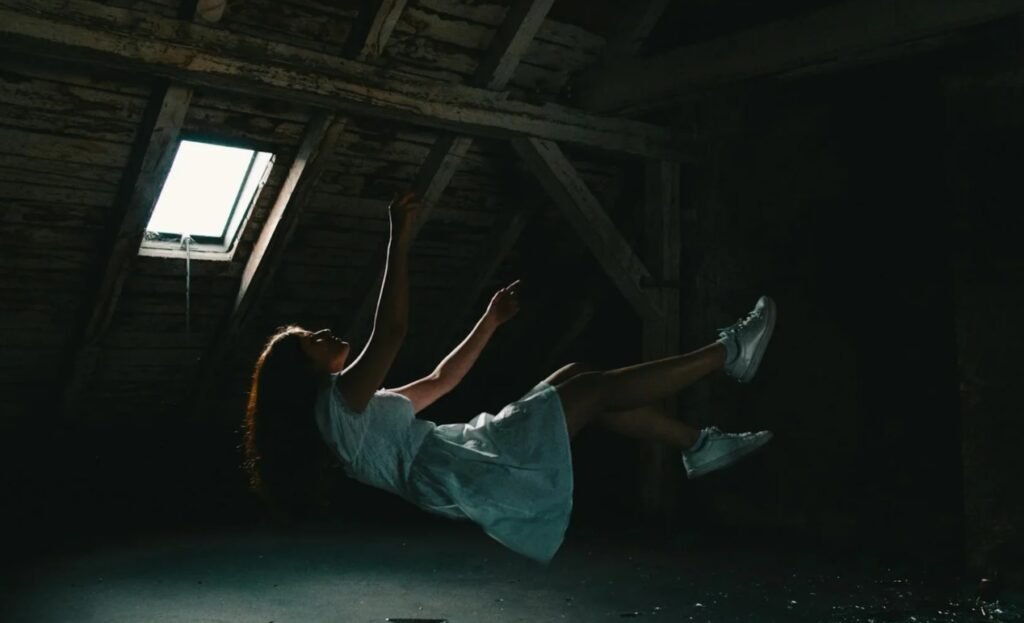
4. Your Masculine/Feminine Energy Is Out of Sync
This one’s about balance. Not physical—energetic.
- Left side = feminine (intuition, emotion, rest)
- Right side = masculine (logic, action, control)
If your dream always shows you falling to one side, pay attention.
- Falling left? Maybe you’ve ignored your emotions for too long.
- Falling right? You might be clinging too tightly to control or outcomes.
Spiritual dream guides often say these imbalances show up in dreams before we’re even conscious of them.
5. You’re Being Contacted by Spirit or Ancestors
Have you ever had a falling dream that just felt… different?
Maybe it wasn’t just falling. Maybe it felt like someone pushed you—or caught you. Maybe you saw a face right before you woke up.
This type of dream can mean:
- An ancestor is checking in
- A spirit guide wants your attention
- You’re on the edge of a spiritual awakening
If you’ve had this and also noticed signs like your ears burning out of nowhere, that could be related. Read about the spiritual meaning of ears burning to see how body signals and dreams often connect.
Deeper Differences That Affect Meaning
Left vs. Right Side Falling
- Falling left: You’re out of sync with your emotional or intuitive side
- Falling right: You’re trying too hard to stay in control
Which way you fall says a lot about how your energy is flowing—or not.
Male vs. Female Dreamers
Everyone dreams, but our inner struggles can show up differently.
- A man might dream of falling when he’s under pressure to “perform” or lead
- A woman might dream of falling when her feelings are being buried too deep
The dream doesn’t care about gender roles—but it will absolutely reflect how your spirit is coping with them.
Morning vs. Night Dreams
- Morning dreams often process stress from the day before
- Night (especially deep REM) dreams? They’re more intuitive, sometimes even psychic
Timing matters. If your falling dreams happen in the early hours, they may be delivering insight—not just stress relief.

Cultural & Biblical Meanings
Bible Meaning of Falling in Dreams
In the Bible, falling can be symbolic of:
- Losing your way
- Being humbled
- Or needing to trust God to lift you up again
This page breaks it down beautifully: Falling isn’t the end—it’s the beginning of coming back to spiritual alignment.
Chinese Beliefs
In traditional Chinese folklore:
- Falling but landing safely is a good sign—danger passed
- Repeated falling might mean your yin and yang are out of balance
- Some say it’s your ancestors trying to guide or protect you
Indian Vedic View
In Indian systems, falling often points to:
- Root chakra instability
- Blocked life-force (kundalini energy)
- The need to re-ground spiritually and emotionally
Google’s Most Asked Questions (With Answers)
Why do we dream about falling and then wake up?
It happens when your soul—or your energy—“snaps” back into your body too fast. Especially if you’re not grounded before sleep.
What does it mean when you land safely after falling?
That’s a good sign. It usually means you’re starting to accept change and trust the process—even if you’re scared.
What if I dream of someone else falling?
This might mean:
- You’re emotionally tied to their struggle
- You’re carrying their fear
- Or you’re too entangled in their path
It’s a sign to step back and let go—lovingly.
If you hit the ground in your dream, do you die?
Nope. But spiritually? It could mean the death of an old version of you.
That part of you that needed control, approval, or fear—that part is collapsing. For more insight, explore what it means to dream of death.
What’s the spiritual meaning of falling on your knees?
That’s big. Falling to your knees in a dream might mean:
- You’re being humbled
- You’re surrendering to something bigger than yourself
- It’s time to pray, let go, or stop fighting what you already know
Falling dreams shake us up for a reason. They’re not random, and they’re not meaningless.
They show up when you’re at a turning point—spiritually, emotionally, energetically.
So if it’s happening often, maybe don’t ignore it. It could be your soul saying: Something’s ready to shift.
And if you want help understanding it all, a spiritual advisor or intuitive guide could help make the message clearer.