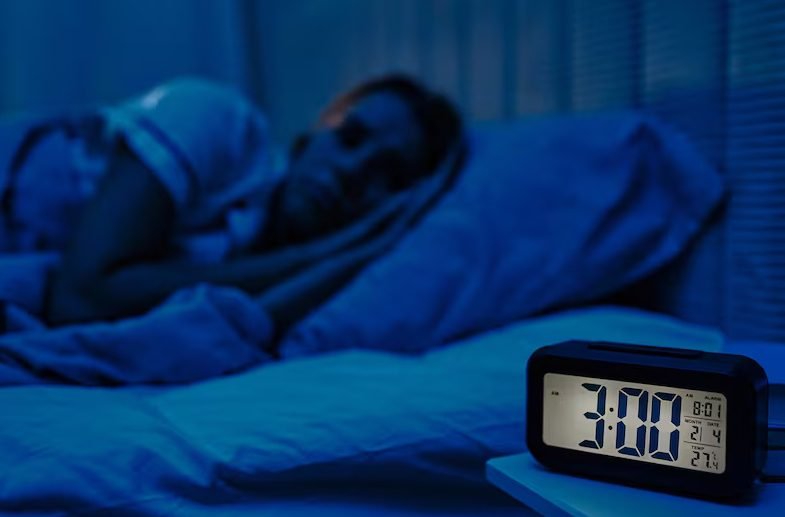
A few months ago, this started happening to me.
Almost every night, around 3AM, my eyes would open. Not from a nightmare. Not from noise. Just suddenly awake.
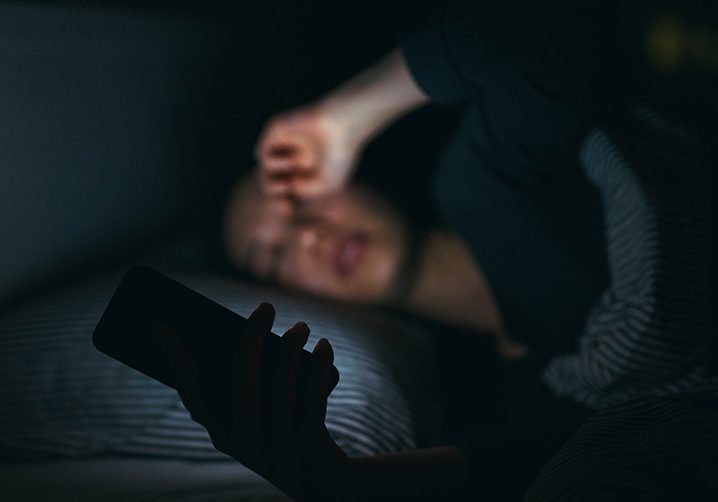
At first I ignored it. Then it kept happening. I remember lying there in the dark thinking, Why do I wake up at 3AM every night? Is this spiritual, or am I just stressed?
If you’re here, I’m guessing you’ve had that same moment.
The room is quiet.
Your body is tired.
But your mind is alert.
And it feels like it means something.
Medical Disclaimer
Before we look at the spiritual meaning, please note: I am not a doctor. This is folklore and symbolic interpretation. If you are in pain, experiencing severe insomnia, or this persists, please see a medical professional.
Quick Answer: Waking Up at 3AM Spiritual Meaning
Waking up at 3AM spiritual meaning is often connected to emotional processing, spiritual awakening, or life changes forming beneath the surface. Many traditions see 3AM as a sensitive hour when intuition becomes stronger. However, stress, anxiety, and normal sleep cycles can also cause you to wake up at 3AM every night. The meaning depends on your emotional state and whether the pattern repeats.
The most important question is simple:
How did you feel when you woke up?
Calm feels different from anxious.
Clear feels different from afraid.
Your emotion is the real clue.
Why 3AM Feels So Intense
There are two sides to this.
The Spiritual Perspective
Many traditions believe the night is spiritually sensitive because your conscious mind is quieter. When the world slows down, your inner voice becomes easier to hear.
In the Bible, for example, Samuel is called during the night in 1 Samuel 3. Some people interpret this as a sign that guidance often comes when distractions are gone.
This is why waking up at 3AM spiritual meaning is often associated with awareness rather than danger.
At that hour, you are simply more exposed to yourself.
The Scientific Perspective
Now let’s ground this.
Humans sleep in cycles of about 90 minutes. During the night, you move between deep sleep and lighter sleep stages. Around 3AM, many people naturally enter a lighter stage, which makes waking up easier.
Your body also begins gradually increasing cortisol, a hormone that helps regulate alertness and stress, as morning approaches. If you’ve been under pressure, that rise can wake you fully.
So if you wake up at 3AM every night, it may be:
- A lighter sleep phase
- Rising stress hormones
- Anxiety stored in the body
- Emotional tension
Spiritual meaning and biology can overlap. It does not have to be one or the other.
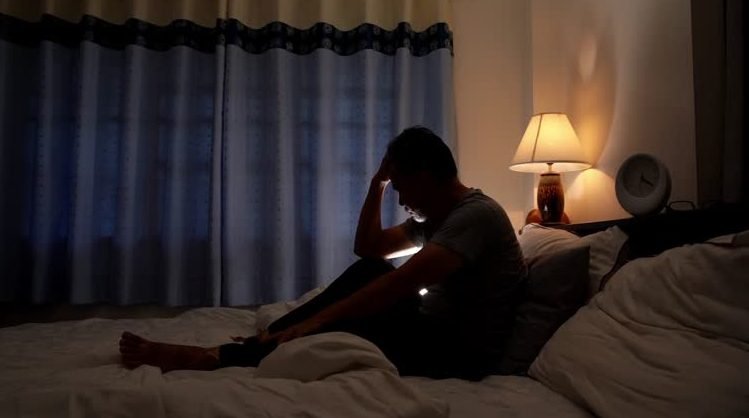
7 Spiritual Meanings of Waking Up at 3AM
Here are the most common interpretations of waking up at 3AM spiritual meaning.
1. A Spiritual Awakening Is Beginning
Many people report sleep changes during periods of deep personal growth.
You may feel more reflective than usual. More sensitive. Less satisfied with the life you were living before.
When you begin questioning your direction, your nights often become more active. Growth disturbs comfort.
Sometimes awakening does not arrive with light and clarity. Sometimes it arrives at 3AM.
2. You Are Processing Suppressed Emotions
Daytime is distraction.
At night, there is nowhere to hide from your thoughts.
If you wake up at 3AM and your mind immediately turns to regret, fear, or relationship tension, that is often emotional processing.
Waking up at 3AM spiritual meaning frequently connects to feelings you have not fully addressed during the day.
Your body rests. Your emotions step forward.
3. Someone Is On Your Mind
There is a popular belief that waking up at 3AM means someone is thinking about you.
There is no scientific evidence for that. But emotionally, repeated thoughts about the same person at that hour may signal unresolved attachment.
If the same name keeps surfacing when you wake up, ask yourself why.
It may not be mystical. It may be unfinished emotional energy.
4. You Are Avoiding an Important Decision
This one is uncomfortable.
Sometimes waking up at 3AM every night is your inner voice refusing to stay quiet.
Is there a decision you’ve been postponing? A truth you already know but do not want to admit?
Night strips away distractions. What remains is honesty.
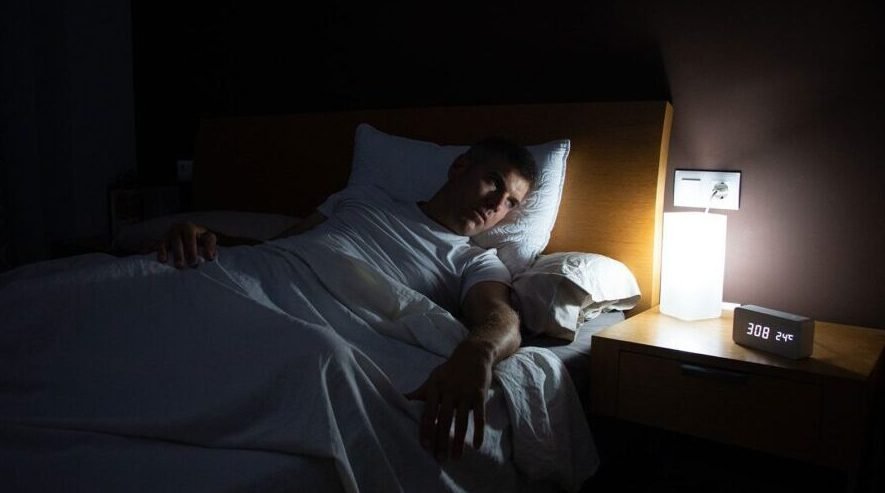
5. Your Nervous System Is Overloaded
Is waking up at 3AM a warning?
Sometimes it is, but not in a supernatural sense.
If you wake up with a racing mind, tension in your chest, or restlessness, your nervous system may be overstimulated.
Chronic stress often disrupts sleep in predictable patterns. Your body may simply be signaling that it needs rest, boundaries, or relief.
6. A Life Direction Shift Is Forming
Many people notice repeated 3AM awakenings during major transitions.
Career changes. Breakups. Identity shifts. Personal reinvention.
The spiritual meaning of waking up at 3AM every night often appears before the outer change becomes visible.
Something inside you is rearranging itself.
7. A Call to Reflect or Pray
The biblical meaning of waking up at 3AM spiritual meaning connects to prayer and awareness rather than fear.
Many traditions view night as sacred because it removes performance and noise.
Even if you are not religious, 3AM naturally invites reflection.
It is difficult to avoid yourself in the quiet.
Why 3AM Is Not a “Devil’s Hour”
You may have seen claims online that 3AM is a cursed or dangerous hour.
There is no strong historical or theological foundation for this idea. It is largely modern folklore amplified by social media.
From a sleep science perspective, waking at 3AM is common. From a spiritual perspective, it is usually interpreted as awareness, not threat.
If you wake up calm but alert, that is not danger. That is consciousness.
Waking Up at the Same Time Every Night Spiritual Meaning
If this happens once, it may be random.
If you wake up at the same time every night, that pattern deserves attention.
The waking up at the same time every night spiritual meaning is often interpreted as:
- A repeating emotional cycle
- A stress rhythm in the body
- A decision that has not been made
But remember that sleep cycles are also repetitive. If you go to bed at the same hour each night, your body may wake at the same phase naturally.
Patterns can be psychological, physical, or symbolic. Often they are a mix of all three.
Waking up at 3AM spiritual meaning is rarely about bad luck.
It is usually about awareness.
Sometimes that awareness points to stress.
Sometimes it points to growth.
Sometimes it points to a truth waiting to be acknowledged.
When the world is quiet, your inner voice gets louder.
If these awakenings continue and cause distress, seek medical advice. If you feel they carry personal symbolism, you may choose to speak with a trusted spiritual advisor for deeper interpretation.
But begin with this simple step:
Notice how you feel when you wake up.
That feeling is the most honest message of all.