

Giving birth in a dream may fit thoughts about change, effort, or a new responsibility. These are starting points for reflection; no single interpretation fits every birth dream. A birth dream cannot confirm pregnancy, predict a baby’s sex, or tell you how labor will go. If you are pregnant, the scene may connect with thoughts about the birth. If you are not, start with your own associations and recent experiences. Notice which part held your attention: the labor, the arrival, who helped, or what happened once the baby was in your arms.
Giving birth when you are not pregnant
You can explore a birth scene without assuming you secretly want a child. Consider whether birth means welcome change, unwanted responsibility, family pressure, or something else to you. A birth story you heard or time spent with a baby may also help explain why the image came to mind.
You could compare a birth dream with starting a role, finishing a project, or taking on a commitment. Treat that as a metaphor you are trying out. Research has not established that a birth dream means a new project is coming or that you have a hidden desire to become a parent.
If pregnancy is possible and you want to check, use a pregnancy test rather than a dream. The NHS advises testing from the first day of a missed period. If you do not know when your period is due, test at least 21 days after the last unprotected sex. Follow the test instructions and seek medical advice if uncertainty remains.
If you are pregnant or have given birth before
Dreams about the baby, labor, and birth can occur during pregnancy. The NHS explains that such dreams do not mean the events will happen. You can discuss an upsetting scene with your midwife, doctor, or a trusted person without treating it as a warning.
In a 2013 comparative study, Jessica Lara-Carrasco and colleagues collected 14-day dream logs from 59 pregnant and 60 non-pregnant women. The pregnant groups reported more pregnancy, childbirth, and fetus themes. The pregnant participants were in the third trimester of their first pregnancy. The study did not establish a dream code or predict an individual’s birth outcome.
If the dream resembles a previous difficult birth or loss, you do not need to turn it into a positive symbol. You can describe it simply as a painful scene. Ask for support if it is troubling you, especially if it affects sleep or daily life.

Find the part of the birth dream that mattered
Read the following as a set of questions, not a list of meanings. The same event can feel joyful to one person and unwanted to another.
| Scene | A useful question | Avoid concluding |
|---|---|---|
| An easy or sudden birth | Did the speed feel welcome, or did you feel unprepared? | That actual labor will be easy or an opportunity will arrive soon. |
| Long or painful labor | Was the focus on effort, waiting, fear, or getting help? | That real childbirth will be difficult or something is wrong. |
| Giving birth alone | Were you choosing privacy, or trying to find support? | That people will abandon you. |
| A friend, partner, or midwife helped | What did they do that changed how you felt? | That this person has a special message or a guaranteed future role. |
| Twins or several babies | Was there delight, surprise, or more care than you could manage? | Double luck, two pregnancies, or a fixed number of future events. |
| Someone else gave birth | Were you helping, watching, or left out? | That the person is pregnant or wants children. |
| An unusual baby or nonhuman birth | Which feature stood out, and what do you associate with it? | A prediction about a baby’s body or health. |
| The baby was missing or in danger | What frightened you, and who could help in the scene? | That a loss, illness, or harm will happen. |
A baby boy, a baby girl, or no clear sex
Use your own associations if this detail mattered. You may have family expectations, a remembered conversation, or no particular connection. Do not assign courage to boys and care to girls, or use either image to predict a future child’s sex. If the sex was unclear, there is no need to supply one.
Giving birth without knowing you were pregnant
The surprise may be the part you want to explore. Did you have time to prepare? Did someone explain what was happening? You might connect those questions with an unexpected demand in waking life, but only if that comparison fits. The dream cannot establish an unrecognized pregnancy.
A stage, role, and support check
Instead of starting with birth equals a new beginning, write down the main task in the scene. Was it getting through labor, welcoming the baby, or finding out how to care for it?
- Stage: Describe the part you remember most. Do not add a happy ending if you woke during labor.
- Role: Note whether you gave birth, assisted, watched, or arrived afterward. Other people’s experiences in the dream are still part of your dream report.
- Support: Record the help you wanted and what was actually available.
- Waking connection: Try one possible link, then write one detail that does not fit it.
For example, imagine you dream of a quick birth and then cannot find anyone to help with the baby. This is a hypothetical scene. You could read it as excitement about a new responsibility mixed with concern about the daily work. An equally ordinary possibility is that a recent conversation about childcare supplied the scene.
If you relate it to a new job, check the fit: is the worry about getting the role, or about having enough help once you start? If you have enough help and feel at ease about the job, that reading may not fit. You can leave the dream unresolved.
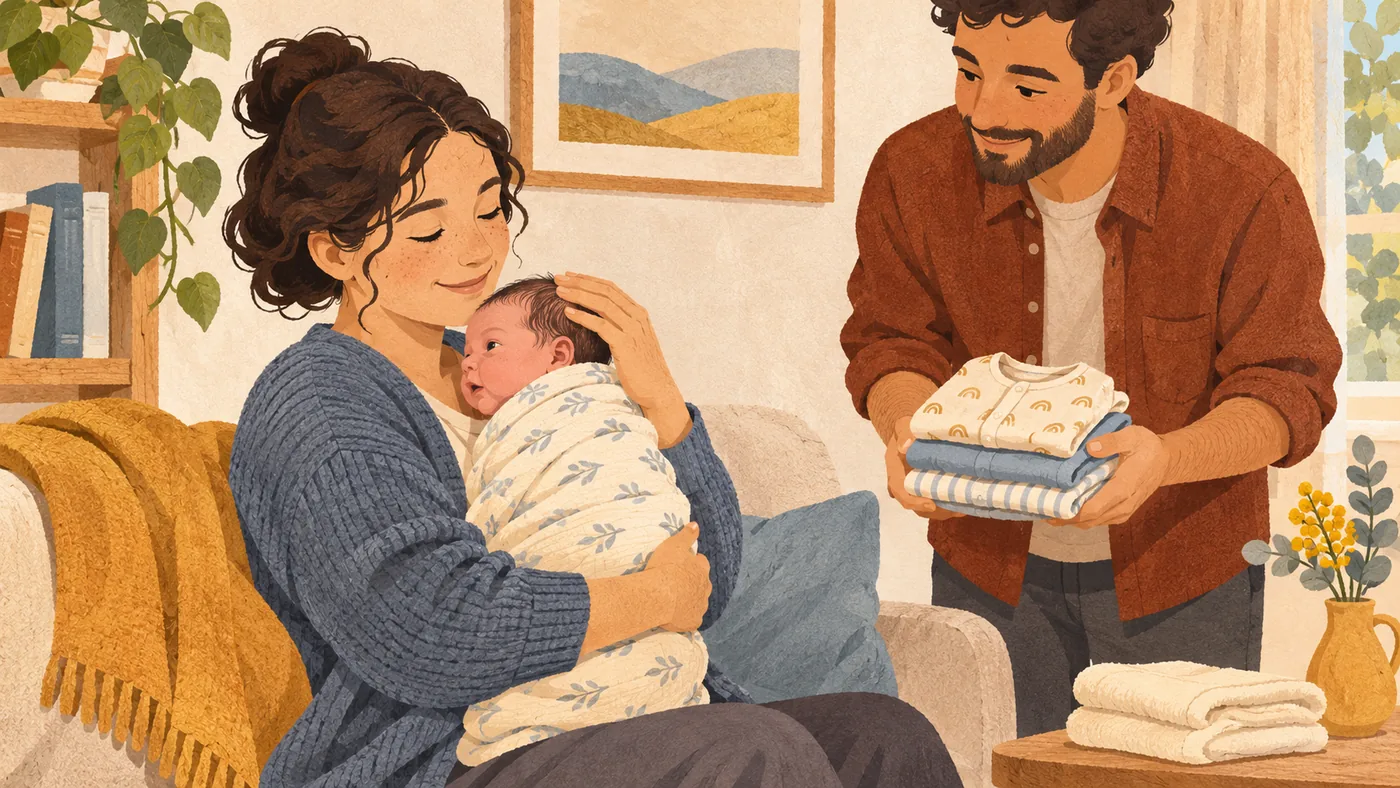
If feeding, holding, or protecting the newborn filled most of the dream, the baby dream guide may fit better. If you were mainly waiting and noticing a pregnancy, use the pregnancy dream guide. Use the guide that matches the part you remember most.
Spiritual and biblical readings
You may use birth as a personal image of renewal or a commitment taking shape. Check that reading against your beliefs and the actual feeling of the dream. An unwanted or distressing scene does not need a hopeful interpretation.
In John 16:19–22, Jesus uses labor followed by the joy of a child’s birth when speaking to his disciples about sorrow and reunion. This is a comparison within that passage, not a rule for interpreting private birth dreams. The passage does not establish that your dream promises pregnancy, a reward, or a divine message.
Frequently asked questions
Does dreaming of giving birth mean I am pregnant?
No. A dream cannot confirm or rule out pregnancy. If pregnancy is possible, follow pregnancy-test instructions and medical advice rather than interpreting the scene as a result.
What if I do not want children?
The dream does not establish that you do. Notice whether the scene involved choice, pressure, surprise, or support. A literal memory link or an unresolved scene is also possible.
Does a painless birth dream mean real labor will be easy?
No. Enjoy a reassuring dream if it felt that way, but base birth planning on your medical care. Dream details cannot predict pain, timing, or complications.
What does it mean if I give birth and then lose the baby?
It may leave you with fear, grief, or confusion. Record what happened without treating it as a forecast. If you have experienced loss, you can seek support without having to explain the dream symbolically.
Why do I keep dreaming about labor?
There is no single cause you can identify from repetition alone. If birth is on your mind, that is one context to note. Discuss recurring distress, poor sleep, or fear about birth with a healthcare professional.
One useful thing to do afterward
Choose a response to a waking need you can name: ask a practical question about birth care, discuss help with a new responsibility, or write down the dream and leave it there. You do not need to make a decision about parenthood, a relationship, or your future because of one scene.
Related Reading
- Pregnancy dream meaning for waiting, announcements, and pregnancy-related concerns.
- Baby dream meaning for holding, feeding, crying, and caring.
- Common dreams and meanings for other dream themes.
References
- Lara-Carrasco, J., et al. (2013). Maternal representations in the dreams of pregnant women: A prospective comparative study. Frontiers in Psychology, 4, 551. DOI: 10.3389/fpsyg.2013.00551.
- NHS. Tiredness and sleep problems in pregnancy. Reviewed March 11, 2024.
- NHS. Doing a pregnancy test.
- John 16:19–22, New Revised Standard Version Updated Edition.