Do you ever wonder why you have certain recurring dreams? Sigmund Freud, the father of psychoanalysis, famously stated that dreams are the “royal road to the knowledge of the unconscious mind.” Dream interpretation is more than just curiosity; it is a powerful tool for self-discovery and understanding the emotional signals your brain processes while you sleep.
Dreams often use symbolism and metaphors to convey messages about stress, anxiety, or desires that we ignore during our waking hours. Here is a psychological analysis of 10 common dreams and what your subconscious might be trying to communicate to you.
1. Dreaming About Losing Your Teeth: Anxiety and Control
Dreams where your teeth loosen, crumble, or fall out are among the most frequently reported.
Psychologically, teeth represent power and self-image. If you dream about losing teeth, it may indicate:
- Anxiety about Appearance: A fear of aging or losing your attractiveness to others.
- Loss of Control: Since we use teeth to bite and chew, losing them suggests you feel powerless to “digest” a difficult situation at work or in a personal relationship.
- Communication Issues: A fear that you have said the wrong thing or will lose your influence in a social setting.
2. Being Chased: Avoiding Reality
When you dream of being pursued by a shadow, a monster, or an unknown figure, it often reflects your fight-or-flight response.
The “pursuer” in your dream is typically a personification of an issue you are avoiding in real life. This could be a difficult conversation, a deadline, or a suppressed emotion. Your subconscious is signaling that the only way to stop the chase is to turn around and face the problem.
3. Failing an Exam or Being Unprepared
Even years after graduation, many people dream of sitting for an exam and realizing they haven’t studied.
This dream is closely linked to Imposter Syndrome. It suggests a fear of being judged or “exposed” as incompetent in your professional life. It often occurs when you are facing a new challenge or a performance review where you feel your abilities are being tested.
4. The Symbolism of Flying: Freedom and Perspective
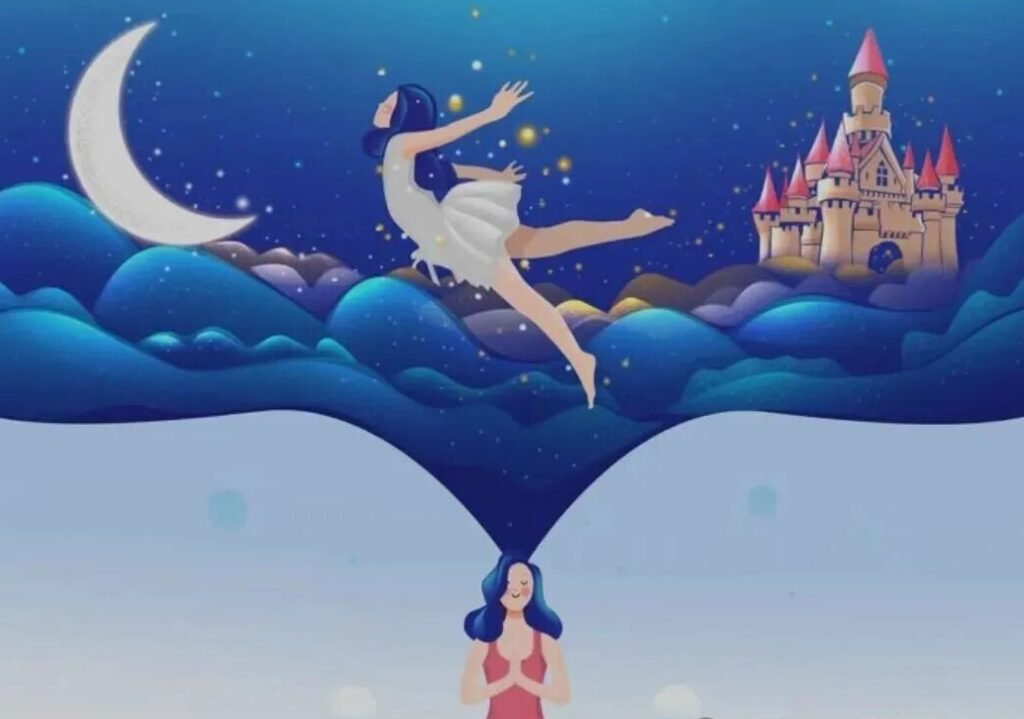
Flying in a dream is usually a positive experience, representing liberation and a sense of mastery over one’s life.
- Desire for Autonomy: You may be breaking free from a restrictive environment or responsibility.
- A Macro View: Flying allows you to see the “big picture.” Your subconscious may be encouraging you to step back from small details and look at your life from a higher perspective.
5. Drowning or Being Underwater: Emotional Overwhelm
Water in dreams typically symbolizes the emotional realm. If you are drowning or overwhelmed by waves, it is a strong indicator of “emotional suffocation.”
This dream suggests that you are carrying too much emotional weight—such as grief, stress, or burnout—and you feel like you can no longer keep your head above water. It is a clear call from your subconscious to seek support or find an emotional outlet.
6. Being Lost or Trapped: Seeking Life Direction
Feeling lost in a maze or a strange city reflects your current state of mind regarding your life path.
If you feel trapped in a dream, you likely feel “boxed in” by your current career or relationship choices in reality. This dream serves as an invitation to re-evaluate your goals and consider new directions that you may have previously dismissed.
7. Dreaming of Death: Transformation and Change
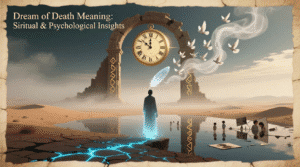
Dreaming about death is rarely a literal premonition. Instead, it signifies the end of a chapter.
Death represents transition. It could mean the end of a habit, a job, or a phase of your life. While the concept of death can be frightening, in the world of dream analysis, it usually paves the way for new growth and personal transformation.
8. Falling: Insecurity and Instability
The sensation of falling often results in a “hypnic jerk” that wakes you up. From a psychological standpoint, this dream points to a lack of support.
You may feel that your current situation—whether financial, emotional, or professional—is unstable. It can also be a “reality check” from your mind, suggesting that you need to be more grounded and less focused on unrealistic goals.
9. Being Naked in Public: Vulnerability and Shame
In these dreams, you suddenly realize you are unclothed in a crowd. This is a classic symbol of vulnerability.
It reflects a fear that others will see through your “armor” and discover your flaws or secrets. It is particularly common when starting a new job or entering a new relationship where you feel exposed and haven’t yet established your confidence.
10. Meeting Deceased Loved Ones: Grief and Wisdom
Vivid dreams of talking to those who have passed away are often part of the healing process.
These dreams may indicate unresolved feelings or things left unsaid. However, they can also be a source of strength. Often, the deceased person in the dream acts as a “wise guide,” representing a part of your own internal wisdom that you need to tap into during a difficult time.
How to Start Interpreting Your Dreams
While general interpretations are helpful, you are the best judge of your own subconscious. To improve your dream recall and analysis, try the following:
- Identify the Emotion: Was the primary feeling fear, relief, or embarrassment?
- Connect to Reality: Does this emotion mirror a situation you are currently facing?
- Personal Symbols: What do specific objects or people mean to you specifically?
Deepening the Connection: Systemic Insights
Sometimes, recurring nightmares or intense dreams are rooted in deeper emotional memories. Methods like Systemic Constellations can help reveal the hidden dynamics behind these dreams, such as family history influences or suppressed needs. Understanding these “unconscious scripts” is the first step toward long-term emotional clarity and mental well-being.